
WordPress powers 43% of all websites globally, while enterprise AI spending reached $154 billion in 2024, according to IDC research. The intersection of these technologies represents a fundamental shift in how websites operate, moving from manual optimization to intelligent, automated performance enhancement.
For WordPress site owners managing content creation, SEO optimization, and performance monitoring manually, machine learning algorithms now handle these tasks with measurable improvements in efficiency and results.

Understanding AI-Driven Performance Optimization
Traditional WordPress optimization relies on static solutions: fixed caching rules, manual image compression, and periodic performance audits. AI-powered optimization introduces dynamic adaptation based on real-time data analysis and user behavior patterns.
Core Web Vitals: The New Performance Benchmark
Google’s Core Web Vitals measure user experience through three key metrics:
- Largest Contentful Paint (LCP): Loading performance target of 2.5 seconds
- Interaction to Next Paint (INP): Responsiveness target under 200 milliseconds
- Cumulative Layout Shift (CLS): Visual stability score below 0.1
AI-powered optimization tools analyze these metrics across different devices, network conditions, and user segments to identify performance bottlenecks that traditional monitoring might miss. For example, a site may perform well on desktop but experience layout shifts on mobile devices in specific geographic regions due to varying network latency.
Predictive Performance Enhancement
Machine learning algorithms can analyze user navigation patterns to predict which pages visitors are likely to access next. Tools like Uxify’s Navigation AI preload anticipated content, reducing perceived load times significantly.
A Forrester study found that every 100-millisecond improvement in page load time correlates with a 1% increase in conversion rates. While individual results vary, businesses implementing predictive loading typically report 15-25% improvements in Core Web Vitals scores within 30 days of deployment.

Content Creation and Management
AI-powered content tools have evolved beyond basic text generation to provide context-aware writing assistance that maintains brand consistency while optimizing for search performance.
Automated Content Generation
Modern AI writing plugins analyze existing content to understand tone, style, and industry terminology. The Hostinger AI plugin, for instance, can generate blog posts that match established brand voice while incorporating specific keywords and maintaining readability scores appropriate for the target audience.
For e-commerce applications, AI tools can create product descriptions at scale. Rather than writing each description manually, site owners provide product specifications and brand guidelines, allowing AI to generate unique, SEO-optimized descriptions that avoid duplicate content penalties.
Grammar and Style Optimization
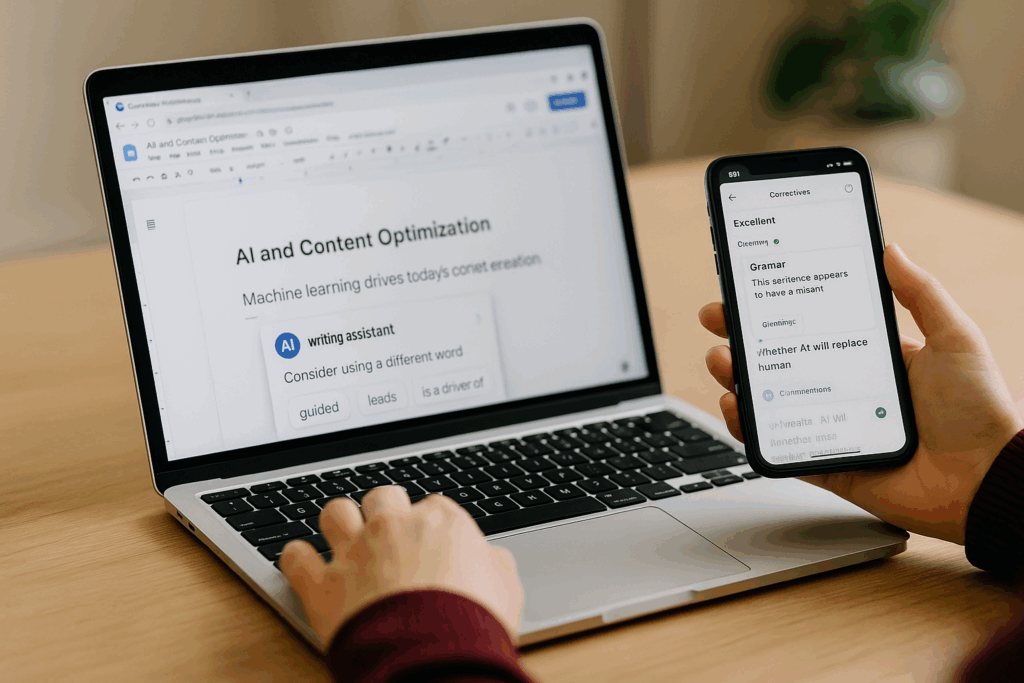
Integrated grammar tools like Grammarly’s WordPress plugin use machine learning to identify not just grammatical errors, but also tone inconsistencies and readability issues. These tools analyze sentence structure, vocabulary complexity, and paragraph flow to suggest improvements that enhance user engagement.
Multilingual Content Management
AI-powered translation plugins such as Weglot and AI Engine support over 45 languages with context-aware translation capabilities. Unlike simple word-for-word translation, these tools understand industry terminology and cultural nuances, producing localized content that resonates with regional audiences.
Search Engine Optimization Enhancement
AI transforms SEO from reactive optimization to proactive strategy development based on search trend analysis and competitor research.
Intelligent Keyword Research
Rank Math’s Content AI analyzes search volume, competition levels, and user intent to recommend keyword strategies. The plugin examines top-ranking pages for target keywords, providing specific guidance on:
- Optimal word count ranges
- Heading structure recommendations
- Internal linking opportunities
- Media inclusion suggestions
Real-Time Content Optimization
As content is created, AI-powered SEO plugins provide immediate feedback on optimization opportunities. AIOSEO’s integration analyzes content against ranking factors in real-time, suggesting improvements for title tags, meta descriptions, and content structure before publication.
Technical SEO Automation
AI handles complex technical requirements automatically:
- XML sitemap generation and updates
- Schema markup implementation
- Page speed optimization recommendations
- Mobile responsiveness testing
- Internal link health monitoring

User Experience Personalization
Machine learning enables dynamic content adaptation based on individual user behavior, location, device type, and previous interactions.
Dynamic Content Adaptation
AI analyzes visitor data to customize experiences without manual intervention. Key personalization elements include:
- Product recommendations based on browsing history
- Content layout adjustments for different traffic sources
- Geographic content customization
- Device-specific interface optimization
E-commerce sites using AI personalization typically see 10-15% improvements in conversion rates, according to Salesforce’s State of Commerce report. Individual results depend on implementation quality and baseline performance.
Intelligent Customer Support
AI chatbots have advanced beyond scripted responses to natural language processing capabilities. Tidio’s LYRO chatbot uses OpenAI’s language models to understand context, remember conversation history, and escalate complex issues to human agents when appropriate.
Implementation typically reduces customer service response times from hours to seconds while maintaining conversation quality that satisfies 85-90% of inquiries without human intervention.

Security and Threat Detection
AI-powered security solutions identify and prevent threats by analyzing patterns across millions of websites rather than relying solely on known threat databases.
Proactive Malware Detection
Wordfence AI analyzes file changes, user behavior, and network traffic patterns to identify potential security threats. The system learns from attack patterns across its network of protected sites, providing updates that protect against emerging threats before they appear in traditional security databases.
Spam Prevention
Akismet’s machine learning algorithms analyze comment content, user behavior, and network patterns to identify spam with accuracy rates exceeding 99.9%. The system updates continuously based on new spam techniques, reducing false positives while maintaining high detection rates.

Implementation Strategy
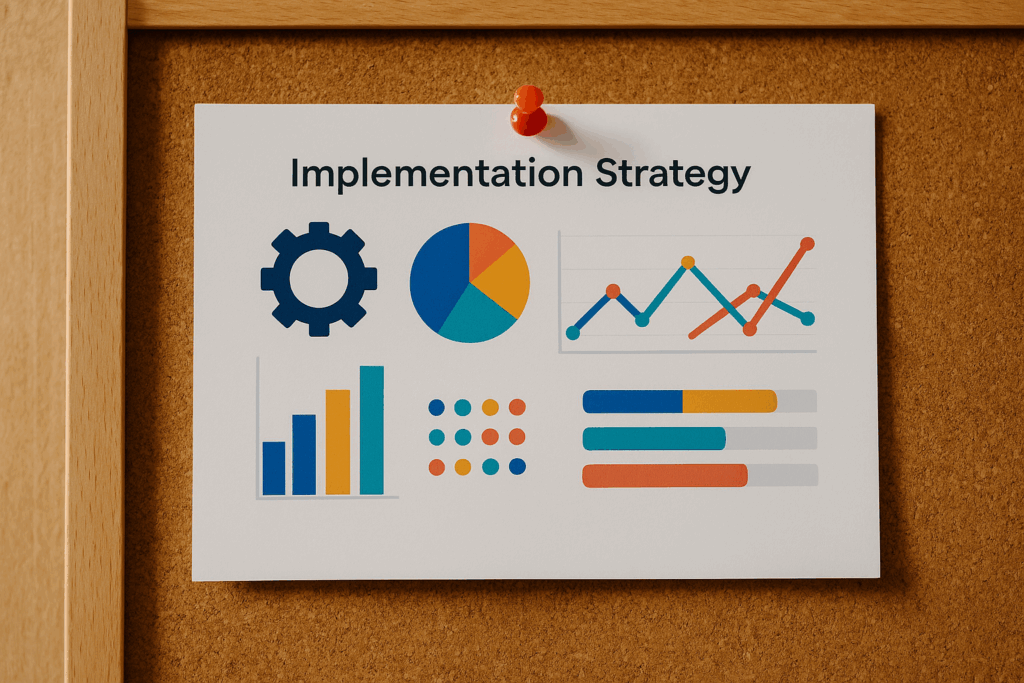
AI-powered WordPress optimization can be implemented through several approaches, depending on technical requirements and budget constraints.
Plugin-Based Solutions
Most WordPress users can implement AI optimization through established plugins:
Content and SEO:
- Hostinger AI plugin: Content generation and optimization
- Rank Math SEO: AI-powered SEO analysis and recommendations
- AIOSEO: Automated technical SEO implementation
Performance:
- NitroPack: AI-driven caching and optimization
- Uxify: Predictive page loading
- Jetpack Boost: Automated Core Web Vitals optimization
Security:
- Wordfence Security: AI threat detection
- Akismet: Machine learning spam protection
Customer Support:
- Tidio: AI chatbot with natural language processing
- HubSpot: Comprehensive AI customer service tools
Custom API Integration
Organizations with specific requirements can integrate directly with AI platforms:
- OpenAI API for custom content generation
- Google Cloud AI for advanced image recognition
- AWS AI Services for complex data analysis
This approach requires technical expertise but provides maximum flexibility and customization options.
Implementation Challenges and Solutions
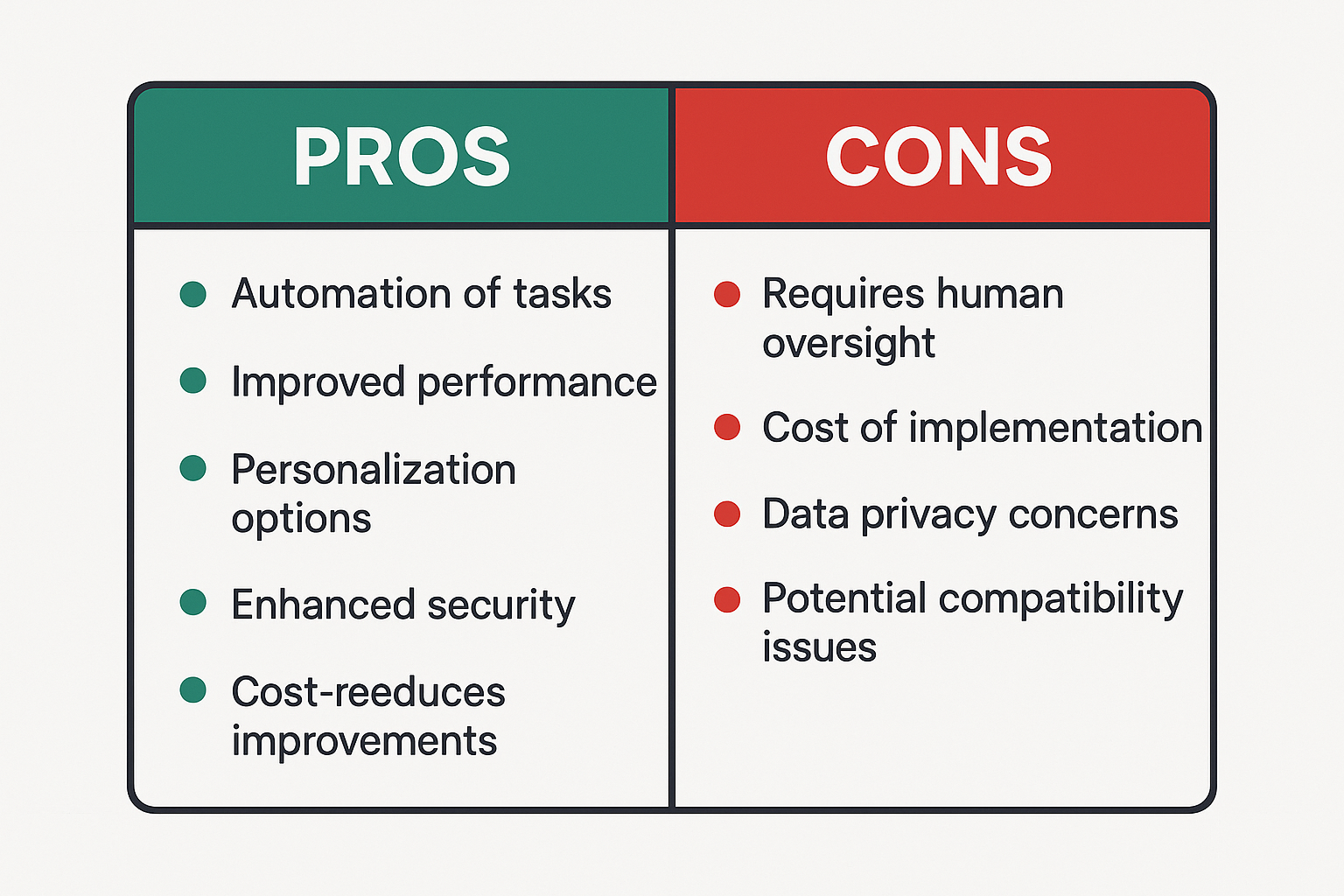
While AI-powered optimization offers significant benefits, successful implementation requires addressing several considerations.
Balancing Automation with Human Oversight
AI excels at pattern recognition and task automation but requires human guidance for strategic decisions and creative direction. Successful implementations maintain human oversight for:
- Brand voice and messaging consistency
- Strategic content planning
- Customer service escalation procedures
- Security policy development
Cost Analysis
Premium AI plugins typically range from $10-50 monthly for basic features to $200+ monthly for enterprise solutions. When evaluating costs, consider:
- Time savings from automation (typical users report 5-10 hours weekly)
- Performance improvements impact on conversion rates
- Reduced need for manual content creation and optimization
- Lower customer service staffing requirements
Data Privacy Compliance
AI tools collect user data for personalization and optimization. Ensure compliance with privacy regulations by:
- Implementing clear privacy policies
- Providing user consent mechanisms
- Choosing plugins with GDPR/CCPA compliance features
- Regular privacy audit procedures
Technical Integration
While most AI plugins install easily, consider potential challenges:
- Plugin compatibility with existing themes and plugins
- Server resource requirements for AI processing
- API rate limits for external AI services
- Backup and rollback procedures for AI-generated content
Measuring Results and ROI
Successful AI implementation requires systematic measurement of key performance indicators.
Performance Metrics
Track improvements in:
- Core Web Vitals scores (LCP, INP, CLS)
- Page load times across device types
- Search engine rankings for target keywords
- Organic traffic growth
- Conversion rate improvements
Content Metrics
Monitor content performance through:
- Time to publish reduction
- Content engagement rates
- SEO ranking improvements
- Content production volume increases
Support Metrics
Measure customer service enhancements via:
- Response time reduction
- Customer satisfaction scores
- Support ticket volume changes
- Agent productivity improvements
Future Development Trends
AI optimization continues evolving with several emerging capabilities worth monitoring.
Advanced Personalization
Next-generation AI will create unique experiences for individual users, adapting entire website layouts based on:
- Previous interaction patterns
- Demographic information
- Real-time behavior analysis
- Predictive intent modeling
Voice and Conversational Interfaces
As voice search adoption increases, AI-powered WordPress sites will incorporate:
- Voice command navigation
- Audio content optimization
- Conversational search interfaces
- Multi-modal interaction capabilities
Automated A/B Testing
AI systems will automatically test design elements, content variations, and user experience modifications, implementing improvements based on statistical significance without manual intervention.
Getting Started: Implementation Roadmap
For organizations ready to implement AI-powered WordPress optimization, follow this systematic approach:
Phase 1: Performance Foundation (Week 1-2)
- Install Core Web Vitals monitoring
- Implement an AI-powered caching solution
- Enable automated image optimization
- Establish baseline performance metrics
Phase 2: Content and SEO (Week 3-4)
- Deploy AI writing assistance tools
- Implement automated SEO optimization
- Set up content performance tracking
- Begin AI-assisted content creation
Phase 3: User Experience (Week 5-6)
- Install AI chatbot for customer support
- Enable basic personalization features
- Implement predictive loading where appropriate
- Monitor user engagement improvements
Phase 4: Security and Optimization (Week 7-8)
- Activate AI-powered security monitoring
- Implement advanced spam protection
- Fine-tune optimization settings based on data
- Plan advanced feature rollout
Each phase should include performance measurement and adjustment based on actual results rather than theoretical benefits.
Conclusion
AI-powered WordPress optimization represents a measurable advancement in website management efficiency and user experience quality. Organizations implementing these technologies systematically report significant improvements in performance metrics, content production efficiency, and user engagement rates.
The key to successful implementation lies in understanding that AI enhances rather than replaces human expertise. The most effective approaches combine automated optimization with strategic human oversight, creating websites that perform better while requiring less manual maintenance.
As these technologies continue to develop, early adopters establish operational advantages that become increasingly difficult for competitors to match. The question for WordPress site owners is not whether to implement AI optimization, but how quickly they can do so effectively.